Wood Fence Durability Considerations in Shelton, WA
Wood Fence Durability Considerations in Shelton, WA
Wood fencing in Shelton, WA requires material choices and installation techniques that resist moisture damage from the region's heavy precipitation while providing privacy and enhancing property boundaries throughout changing seasons.
Which Wood Species Perform Best in Wet Climates?
Cedar, redwood, and pressure-treated fir offer varying degrees of natural rot resistance and durability, with cedar providing the best balance of longevity and cost for Pacific Northwest conditions.
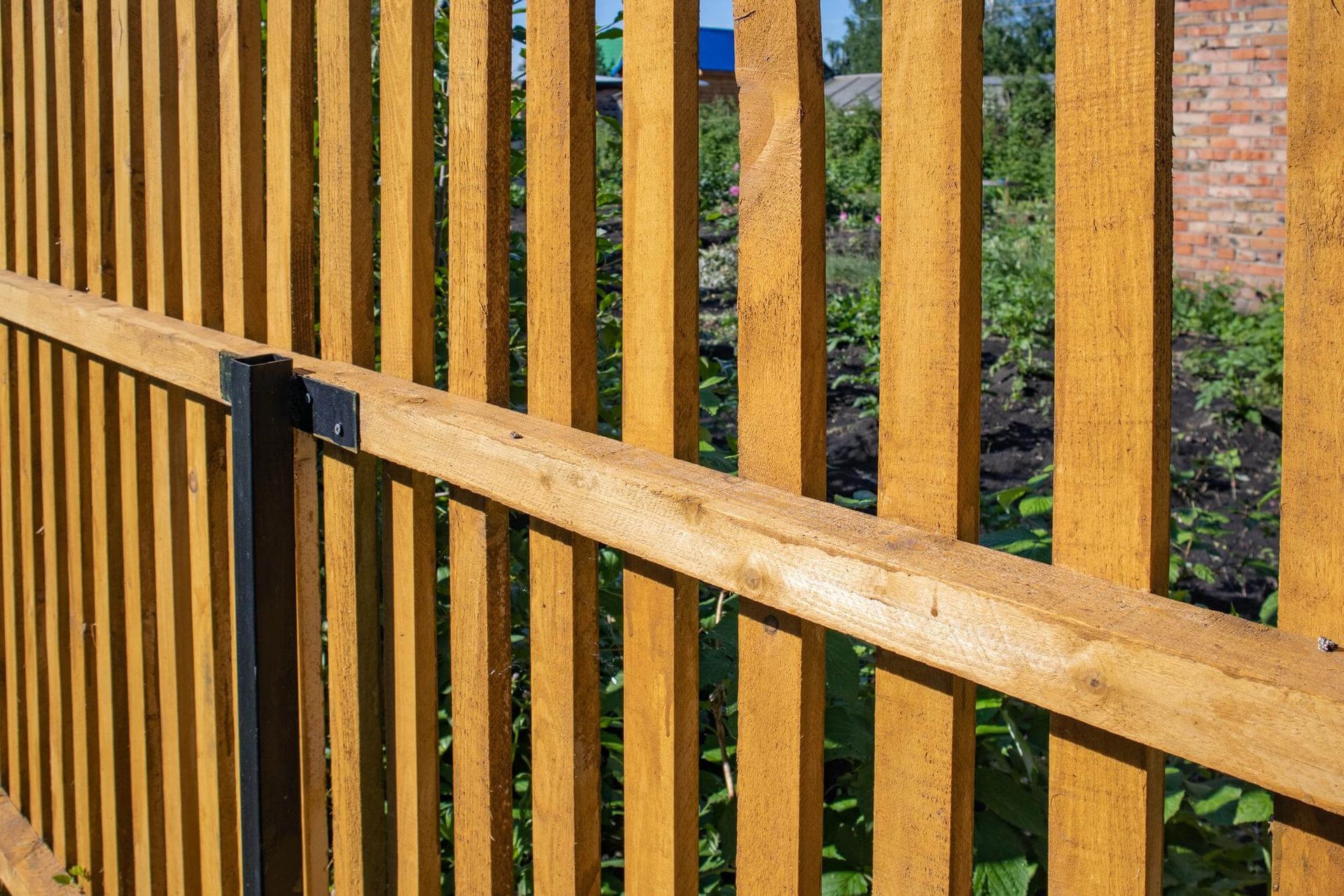
Cedar contains natural preservatives that resist decay, insects, and warping. It weathers to a silver-gray patina without treatment, though staining maintains the original color. Redwood offers similar benefits but costs significantly more. Pressure-treated fir uses chemical preservatives for rot resistance at a lower price point but lacks cedar's natural beauty.
Shelton's proximity to forests and rainfall creates ideal conditions for wood rot if materials are not chosen carefully. Cedar fence posts set in concrete footings can last 20 years or more. Wood fencing services in Shelton utilize species suited to the area's climate and soil conditions for maximum lifespan.
How Does Post Installation Prevent Early Failure?
Setting fence posts in concrete with proper depth and drainage prevents rot at ground level, which is the most common failure point in wood fences exposed to wet soil.
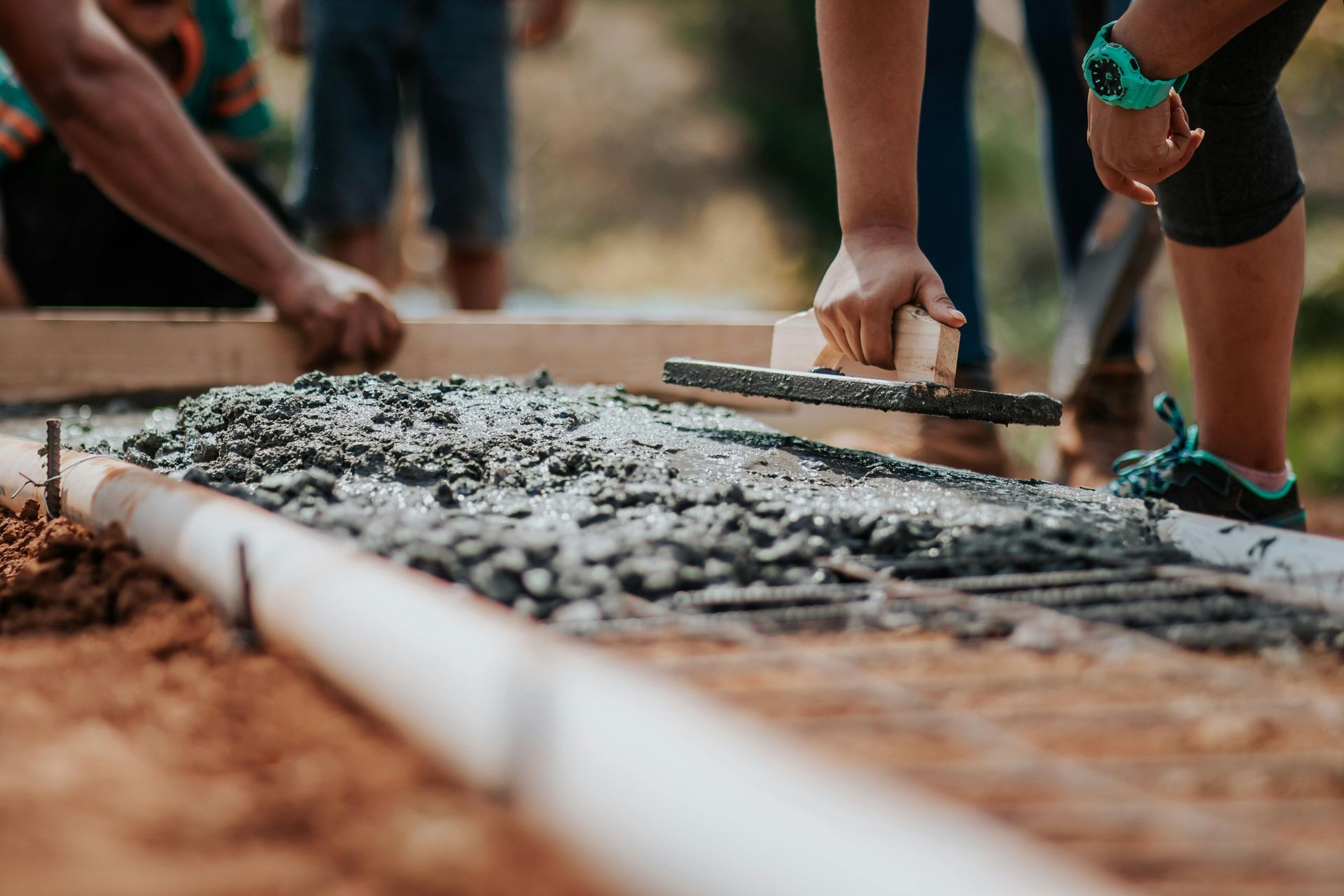
Posts need burial of at least one-third their length, typically 24 to 36 inches deep. Concrete collars around posts prevent direct soil contact that accelerates rot. A gravel base beneath each post allows water to drain away rather than pooling. The concrete should slope away from the post at the top to shed water.
Shelton's clay soils retain moisture, making proper drainage essential. Posts set directly in soil without concrete fail within five to ten years. Concrete-set posts with gravel bases last two to three times longer. Spacing posts every six to eight feet maintains structural integrity without excessive material cost.
Can Staining or Sealing Extend Your Fence Lifespan?
Applying penetrating stain or sealant every two to three years protects wood from moisture absorption and UV damage, significantly extending fence life in high-rainfall areas.
Untreated cedar fences gray naturally and remain structurally sound but lose their original color. Stains penetrate the wood to repel water while allowing the grain to show. Sealants form a protective barrier against moisture and mildew. Both treatments slow weathering and reduce cracking or splitting.
Timing application matters. New fences should weather for three to six months before staining, allowing the wood to dry and open its pores. Reapplication schedules depend on product type and exposure. South-facing fences receive more UV and may need treatment more frequently than shaded sections.
When Should You Plan Fence Replacement vs Repair?
Individual board or post replacement makes sense for localized damage, but widespread rot, leaning sections, or structural instability indicate the need for full fence replacement.
A single broken picket or rotted post can be replaced without disturbing the entire fence. Multiple failing posts or sagging rails suggest overall deterioration from age or improper installation. Fences over 15 years old with extensive damage typically cost more to patch repeatedly than to replace entirely.
Replacement allows correcting drainage issues or upgrading to more durable materials. New fences benefit from modern installation methods and longer-lasting hardware. Addressing problems early prevents property boundary disputes or damage from falling fence sections.
How Do Shelton's Forest Surroundings Influence Fence Maintenance?
Properties near wooded areas face increased moss and mildew growth on fences due to shade and moisture, requiring more frequent cleaning and treatment compared to open locations.
Tree canopy reduces sunlight and airflow, keeping fences damp. Moss and algae thrive in these conditions, staining wood and holding moisture against the surface. Regular cleaning with a mild detergent or specialized wood cleaner prevents buildup. Trimming vegetation near the fence improves air circulation and sunlight exposure.
R & M Concrete Construction understands the unique challenges of maintaining wood fences in Shelton's environment. Discover durable fencing solutions designed for Pacific Northwest weather by connecting with experienced professionals who prioritize proper installation and material selection.